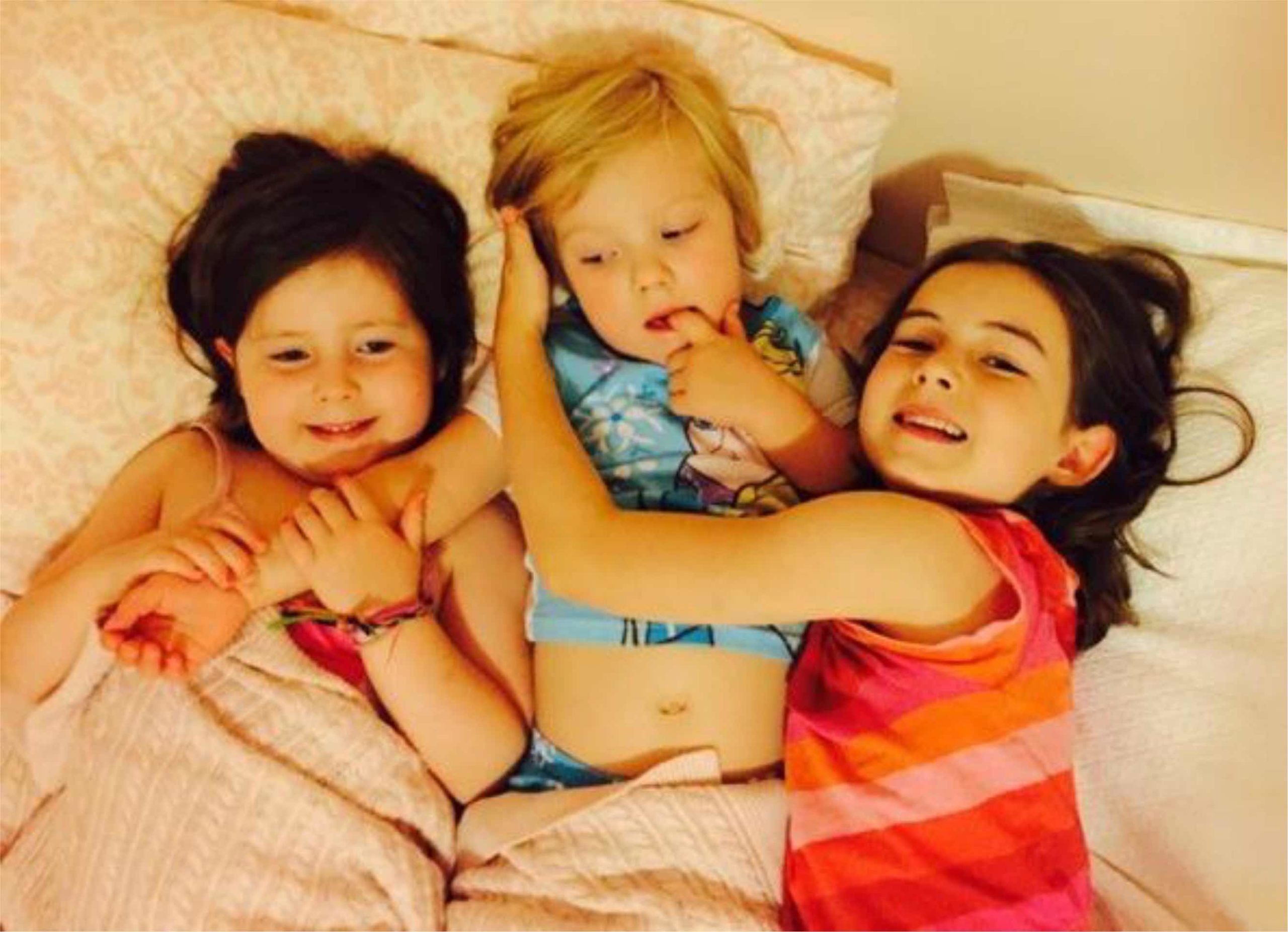
Siblings play powerful roles in our lives from birth until death. They are our companions, competitors, defenders and the ones who taunt us. They can land a blow or lend a hand. Such experiences may be forgotten in an instant or register deeply. When development goes well enough–when we are loved in spite of how murderously hateful we can be–our sibling relationships help us learn about and tolerate our own and their dark sides, potentially softening the harsh sense of guilt common in young children. Kids can show intense aggression toward sibs more readily than toward parents, on whom they are fully dependent and with whom potential loss of love or retaliation is terrifying.
Rivalries and triumphs, fears of displacements and exclusion, which plague us throughout life take form within siblings relationships—fought out in our minds as well as in external reality. Jockeying for position and the ubiquitous attending to who is getting what from whom are ordinary, but difficult parts of growing up—they facilitate development as well as being
troublesome. How we get on with sibs influences how we sort out experiences with friends or professional groups.
When sib experiences are negotiated well enough, as adults we can be friends and enjoy a shared history and sense of continuity over time. Whether positive or negative, sibling relationships help shape our minds, lend texture to our personalities, and impact how we experience ourselves in the world while teaching us how to be one among others. They are great contributors to our development, even if not well conceptualized in our psychoanalytic theories.