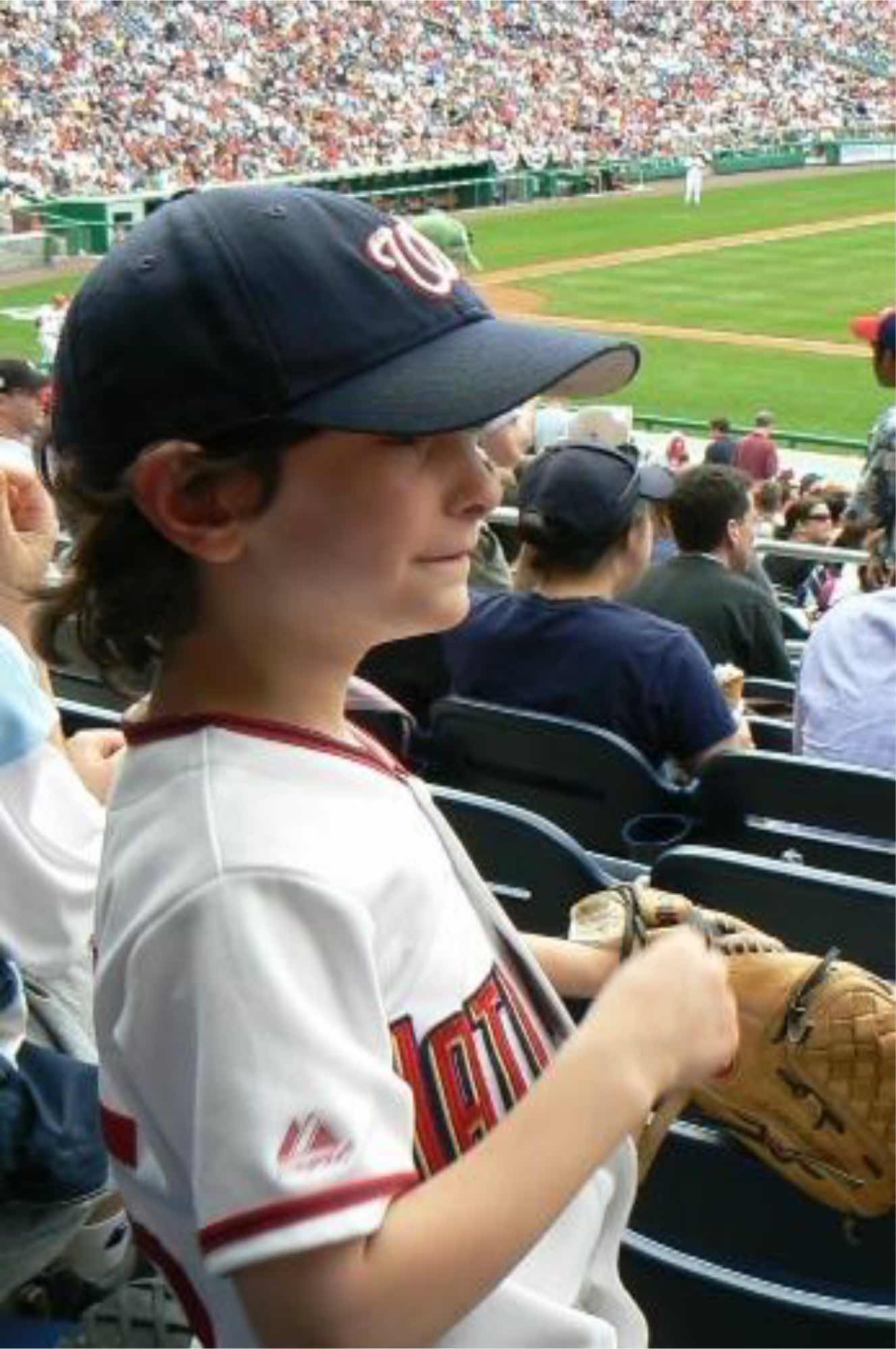
The rhythms of baseball are the rhythms of analytic therapy are the rhythms of life. While baseball has been described as the perfect game with perfect distances (90 feet, 60 feet, six inches), no clock (timeless) and the constant possibility of wonder, I reflect on my own experience of a game that captured my imagination as a young child and that welcomed me back as an adult willing to be transported to that childhood place of hope and possibility. In baseball the action stops for a moment before the pitch comes in, the batter swings and all the fielders are in motion. This momentary stop in the action allows for reflection, the build-up of tension and, subsequently, the release into jubilation or despair. There is always hope until the last out, and then there is always tomorrow, next week, next year. Like with therapy, the highs and lows are part of a process that goes on for some time. Just as we know and value the good therapeutic hour, so we can appreciate the string of improbable hits, the sense that our team has found the zone where nothing goes wrong, the sense of invincibility. In contrast, there are those times when it feels nothing goes right, the team can’t make a play. As fans we get the opportunity to master the feelings that inhabit our lives, and over time, we are the better for it.

The Reality Principle
When I was in graduate school studying child development, a friend and I would go to a local playground and watch the adult caregivers and children. Inevitably, it would be time to go. Often enough, the child would want to stay: tough stuff! I imagine the following: the parent says, “We have to go so I can cook dinner before Mommy comes home.” And we all remember the child’s response, “But I don’t want to!” Dialogue is met with screaming, yet the crying protests fail. Then the horror: The larger person would pick up the smaller and carry it away. The smaller, we remember, might feel like “an it”, a thing, not an autonomous person. Our will, the child’s will, was met with what Sigmund Freud called the reality principle. Many of us adults today are equally frustrated by the reality principle as we are carried off to places we do not want to go. The world is taking many of us down a road…