In Florida it was 5:18AM. My son was calling early on my Birthday. I picked up expecting, ”Happy…”. Pressured speech blurted, “My son is a monster; with unstopped determination, he does the opposite of what I tell him and laughs at my anger!” I muffled a chuckle of my own, remembering as he spoke, the surprise of his unchecked drive to do whatever he wanted– crawl off edges, climb to the top of everything. Terrible, I’d felt like I was barely keeping my baby alive, and it was stressfully difficult to manage my own frustration.
Gently, I start, “your son has changed from baby who crawls to toddler who walks. Your new-be is a two-be whose learning does require a change in your parenting role: from a baby’s holding, safe, growth — to a toddler’s active development of running, jumping, climbing, no limit, curiosity.
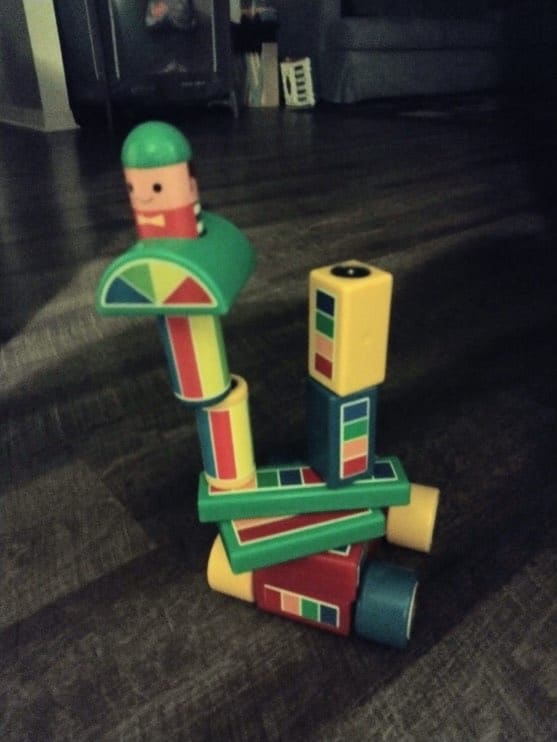
By example, I prompted him to remember early baby–toddler transition moments: The Jell-O which stuck to the wall when he threw it [Hearty laugh]. Tiffany baby bowl full of cheerios which broke when he dropped it [Sigh, what was I thinking]. He vividly remembered the sweater he refused to put on, to go to the Natural History Museum…let’s just say I got it on him with a parental show of strength over his strong toddler protests. Yes. Adults have to tolerate frustrated angry feelings and behave well. An image from my son comes through WhatsApp. I respond: “It cheers me to see the high tower he made, yesterday…with a man at the top! Art, construction, building…what a wonderful way to represent desired things too dangerous to do.”