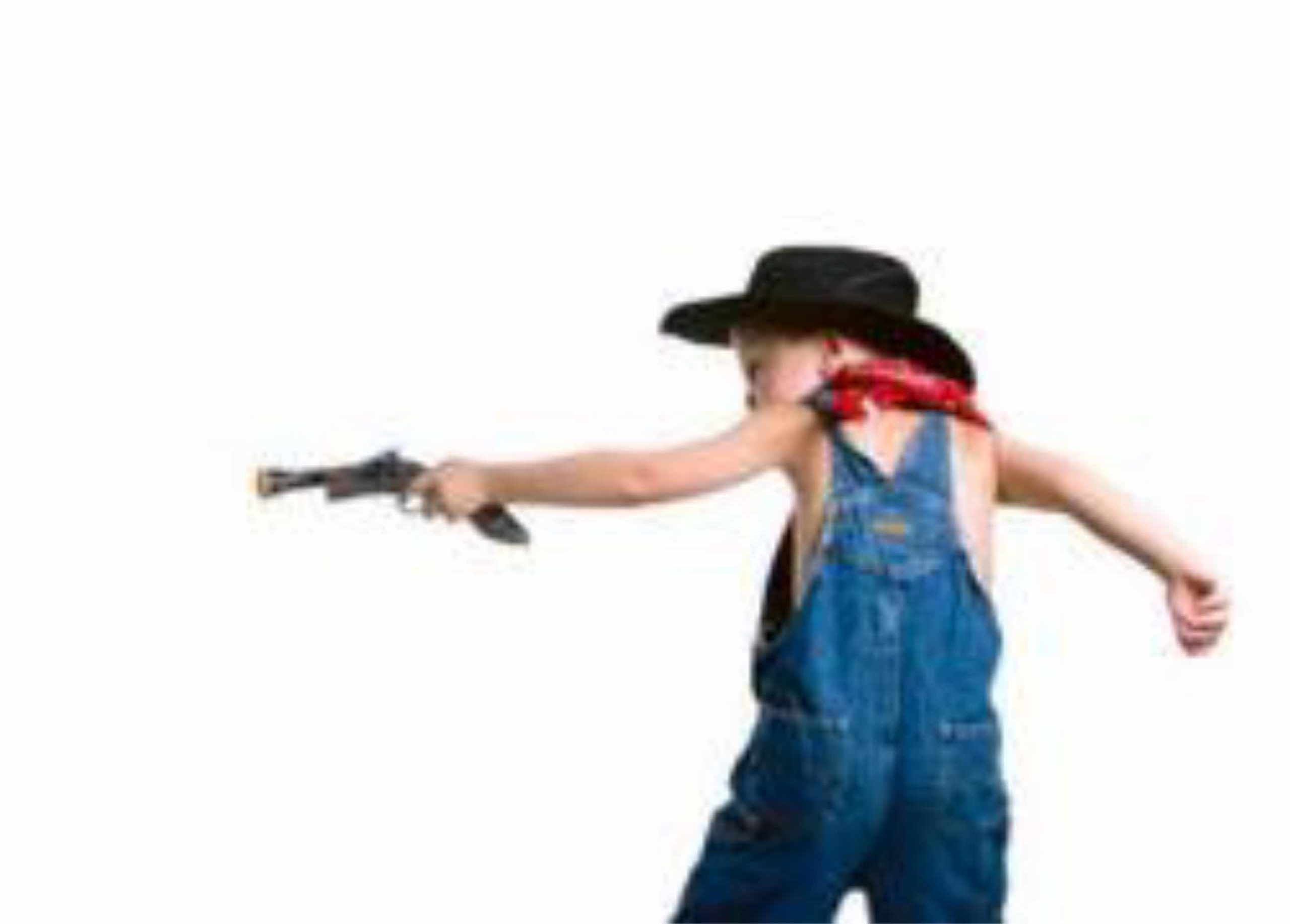
In traditional Freudian theory, a gun symbolizes the penis and having a gun represents power and dominance: protecting, threatening or destroying. To some the gun means relying on oneself, countering fears of vulnerability or weakness. To others the gun means triumphing over fears of losing one’s potency. The meanings of guns can be intensified by fear of government regulation that would undermine the Constitution’s Second Amendment right to own guns.
We all were once two years old, the age at which expressions of power first strongly emerge. Two-year-olds can say no, can refuse to submit to parental pressure to become toilet-trained. Not wanting to be bossed around or forced to behave in socially required ways can persist throughout development and mix with later desires not to be bullied.
As children we all desire the power we think adults have – especially the imagined freedom to act without restraint. However, through identification with seemingly powerful adults we become able to delay gratification and look forward to the time we can be as big and powerful as mommy or daddy.
Guns can actualize the lingering fantasy of immediate power without bringing to bear the perspective gained over years of growth and development. Suddenly feelings of helplessness or shame at being weak can be countered by brandishing one’s gun. Attempts to regulate guns become unconsciously equated with parental actions perceived as threatening personal autonomy.