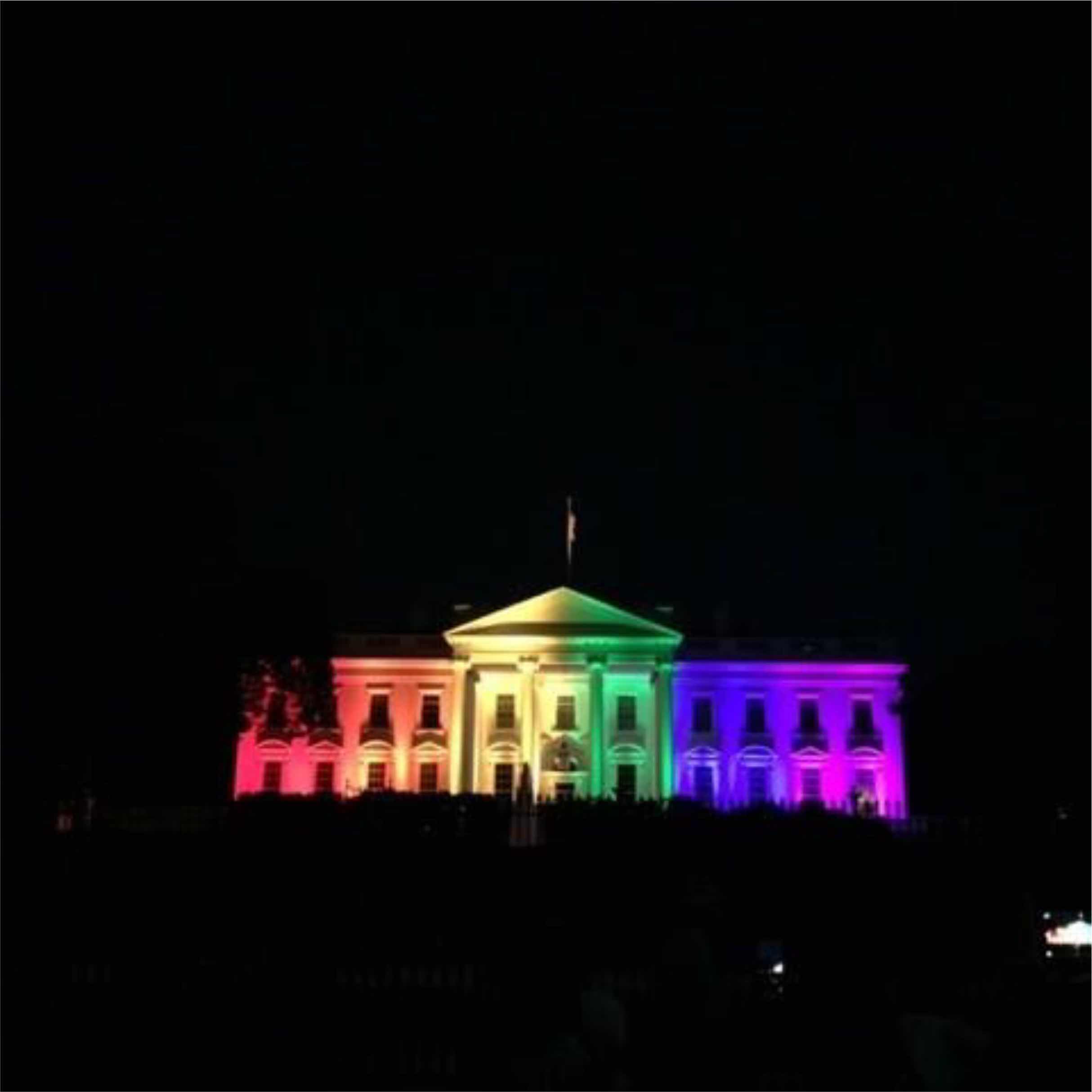
Shortly after the decision of the Supreme Court, I was speaking with a 28-year old gay man. He was excited and optimistic about his future. He had never doubted that in the near future he would have the right to marry. For a second I stared back in time at me, the young man who had just come out. In my euphoria about openly recognizing my sexual desires, I imagined other barriers would yield soon and recognition of gay marriage would be imminent.
I’ve waited 17 years and counting for this moment. Through these years there were many inequities linked with societal failure to recognize gay relationships: marriage, employment, medical decision-making, retirement benefits, inheritance and immigration.
I’ve fulfilled many dreams and am secure in all the areas of my life except for forming my very own family. I decided not to take the road less travelled, unlike my lesbian sister and countless other gays, of forging a family through legal contracts drawn by lawyers. I did not have the courage. For those who did, it paid off.
I’m all too aware of the developmental issues arising from early years of devaluation and keeping emotional distance from others. The trauma inflicted is immeasurable. If we had recognized the extent of damage done to us by others and, unfortunately, by ourselves, we would have burned more than the Stonewall Inn in Greenwich Village. Our anger would have been enough to burn the entire city.
Today, my anxiety subsides. As I celebrate, questions arise. Will I re-evaluate defenses that kept me alive, but may no longer be needed? Will I reflect on my anger, envy and guilt? Will I become just another minority stuck in ideology, too blind to embrace others and the world?