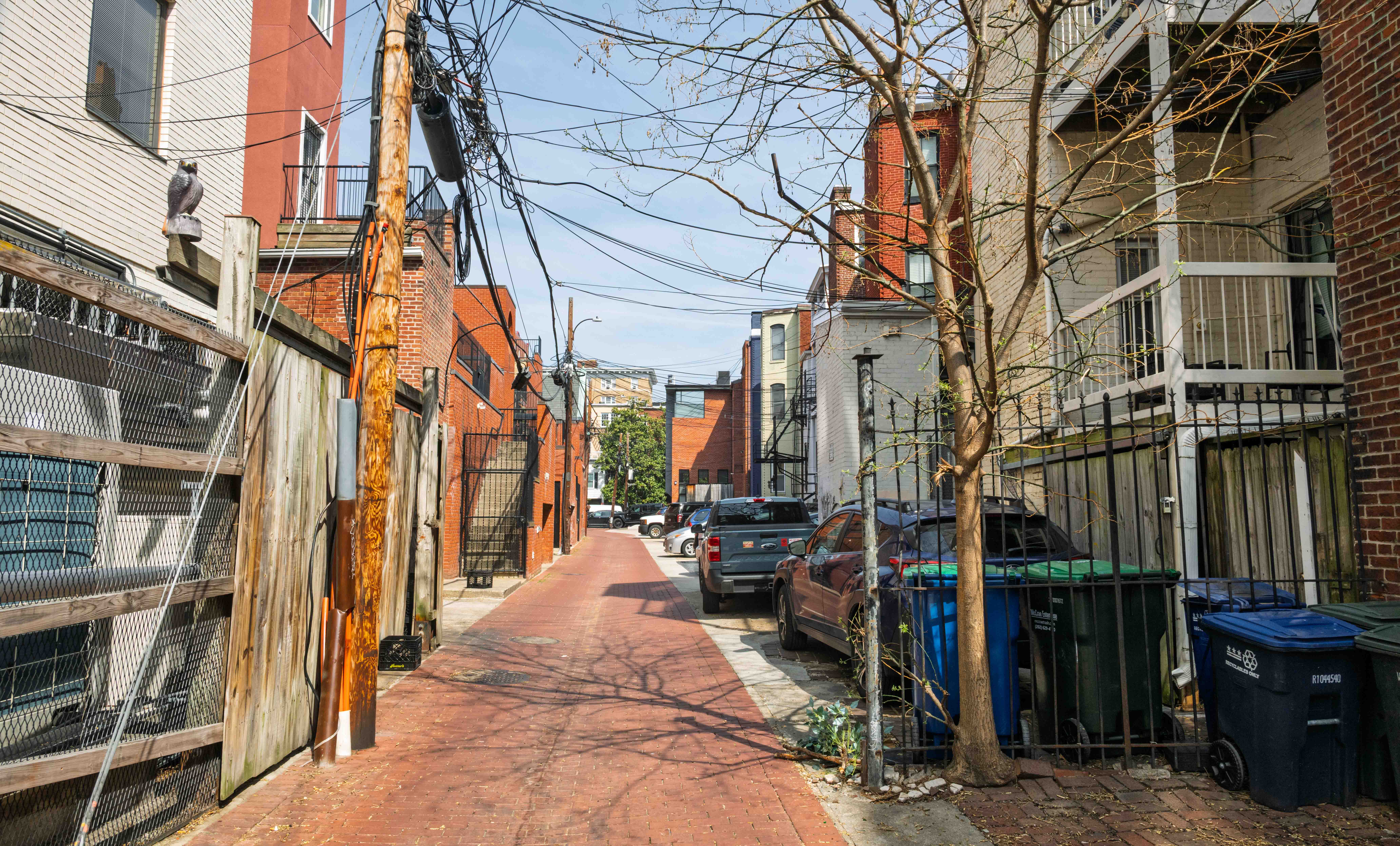
I live in the city and often walk to my preferred destinations. Sometimes my walks include shortcuts when going to familiar places. One common shortcut was an alley which contained rats.
While the rats were disturbing and seemingly everywhere, I continued using my shortcut. At some point an intervention occurred – poison. I began to experience the mixed blessing of dying rats instead of living rats. While I hesitated to look at the dead and decaying rats, they were in my path and I couldn’t ignore them. In time, the living rats disappeared. But at the end of my alley shortcut, “my inner rats” remained alive in the office of my psychoanalyst.
I wanted my (inner) rats to die, too. But my psychoanalyst had no poison. I had the “poison” and my psychoanalyst helped me use it. As we focused on my rats I began to understand more about how and why they threatened me. I began to differentiate between threats of the past and potential threats in the present and future. I was gaining control and my rats were weakening.
While my rats never totally died, their influence diminished and other thoughts and emotions surfaced. I could more easily see the goodness in my analyst and within me. And, that goodness extended outside of the office. Opportunities for growth and reparation became more possible. My analytic work deepened and change was more accessible and rewarding.
I am profoundly grateful for the opportunity to engage in the process of psychoanalysis. I am thankful for and amazed at the deep and abiding changes my psychoanalyst and I achieved over the multiple years together. Psychoanalysis, while temporally lengthy, is itself a shortcut for facilitating such deep and abiding changes.