When the curtain rises on Brian Friel’s renowned play, “Dancing at Lughnasa,” Michael, a pleasant young man, addresses the audience as though he’s lying on an analyst’s couch: “When I cast my mind back to that summer of 1936, different kinds of memories offer themselves to me.” He was only seven, but the memories still make him “uneasy;” it was a time of “things changing too quickly.” These memories unfold for us on the stage.
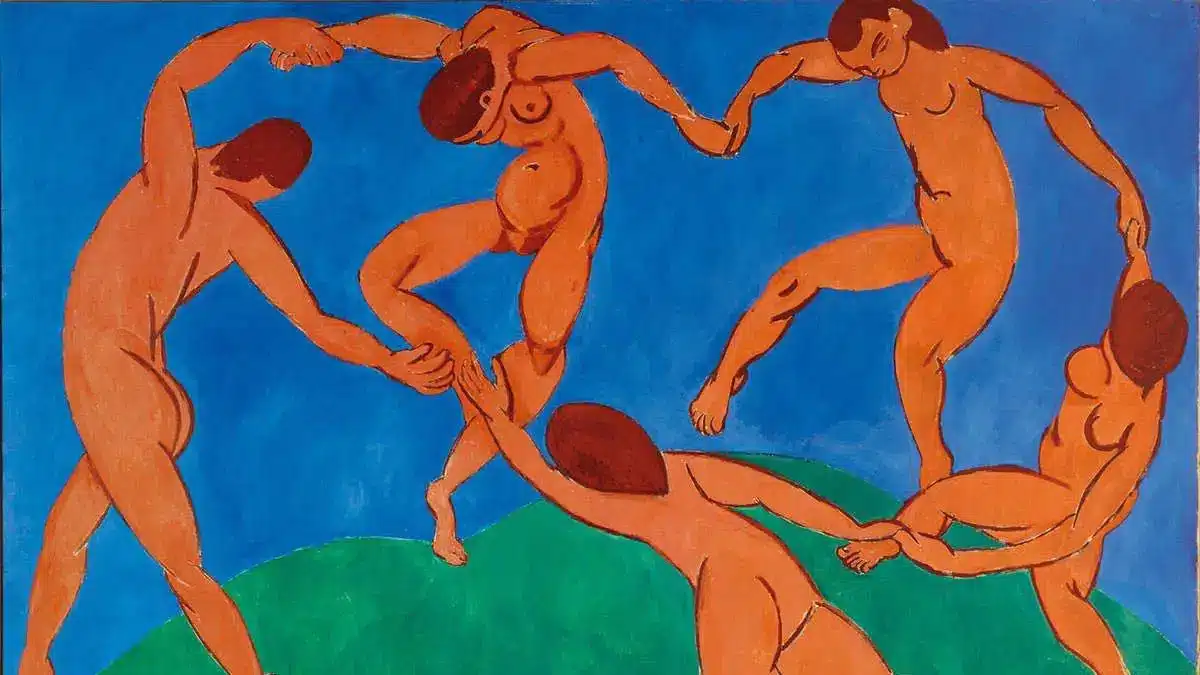
In Michael’s Irish village, it is the time of Lughnasa, the Celtic harvest festival, a “pagan” celebration centered on communal dancing. Michael hears that devout Catholics scorn it as a rampage by “savages” from “the black hills.” He sees his mother, Chris, and her four sisters erupt in a pagan-like dance of “near-hysteria” when the radio plays a stirring tune, but when the music stops, they stop suddenly and seem ashamed.
However, as Michael says, it was a time of “things changing.” His missionary uncle, Father Jack, newly returned from Africa, exalts the ecstatic dancing of pagan “ceremonies.” As the love-child of Chris and Gerry, Michael watches his roving father when he comes to visit: “For the first time in my life, I had a chance to observe him.” He sees his parents dancing in tender silence, “as if language had surrendered to movement.” Though no priest had blessed their sexual union, their dance seems to sanctify it. As Friel has said, “there’s a need for the pagan in life…I don’t think of it as disrupting Christianity.”
Friel presents the “pagan,” in ceremonial or romantic dancing, as potentially spiritual, a sublimation of the instinctual. He had no analytic training or treatment, and when asked about Freud, he said only, “I’ve read some,” yet he was able to read himself and the people in his life remarkably well.