
On Leaving and Holding
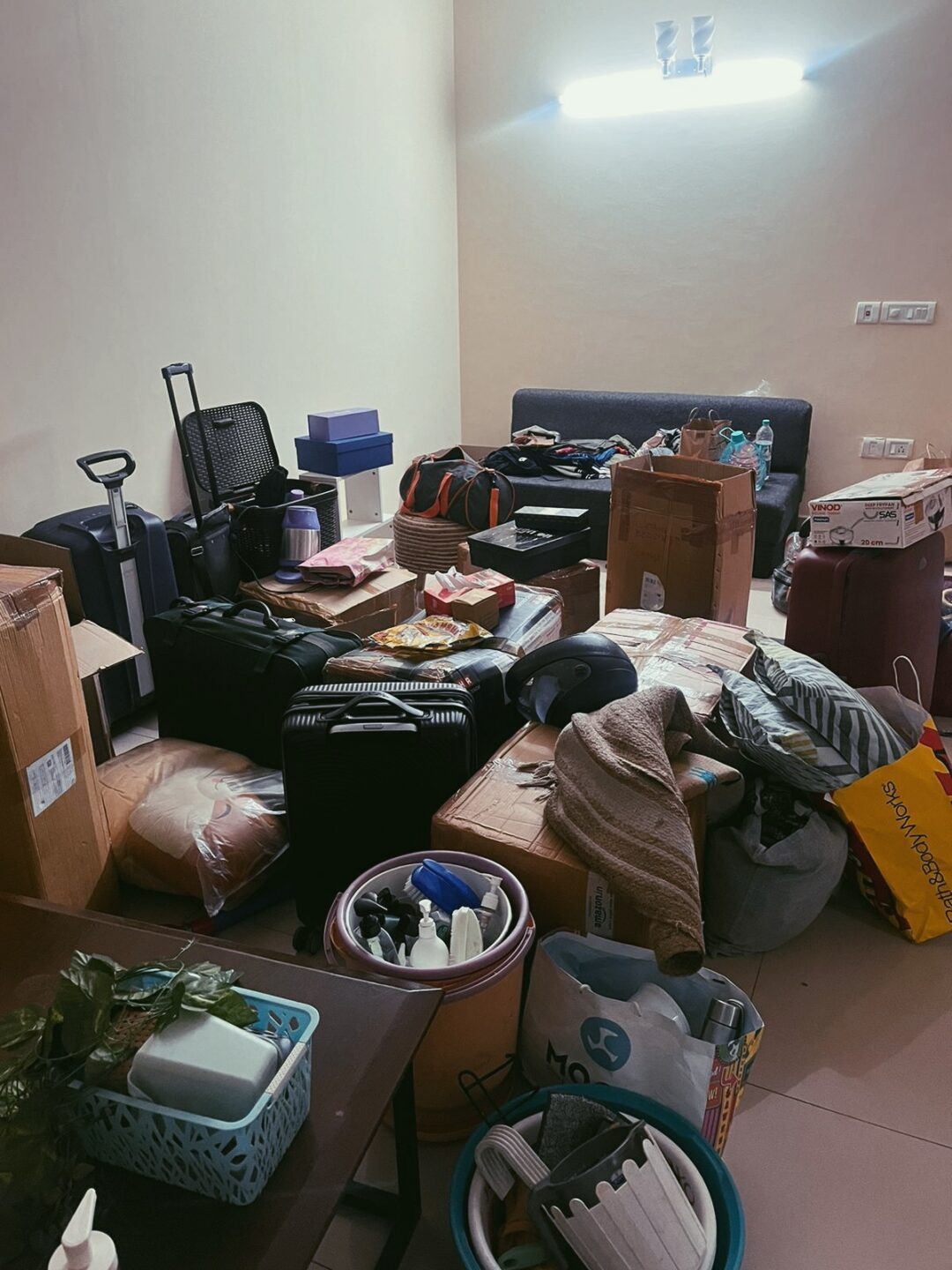
One aspect of Joachim Trier’s 2026, Academy Award-nominated film, Sentimental Value, lingers: the idea that a house can hold memory, and in doing so, remind people of who they are and who they have been. The family home in the film becomes a kind of unconscious structure, a repository for grief, history, and the versions of themselves they could not keep.
I have never had that kind of house.
I have moved every two to four years for as long as I can remember. My life can be mapped through new cupboards and unfamiliar ceilings. I learned early how to fold myself into spaces never meant to hold me for long. Even now, some part of me is already preparing an exit.
WHY MAKE MIRROR ART IN WAR-TORN TEHRAN?
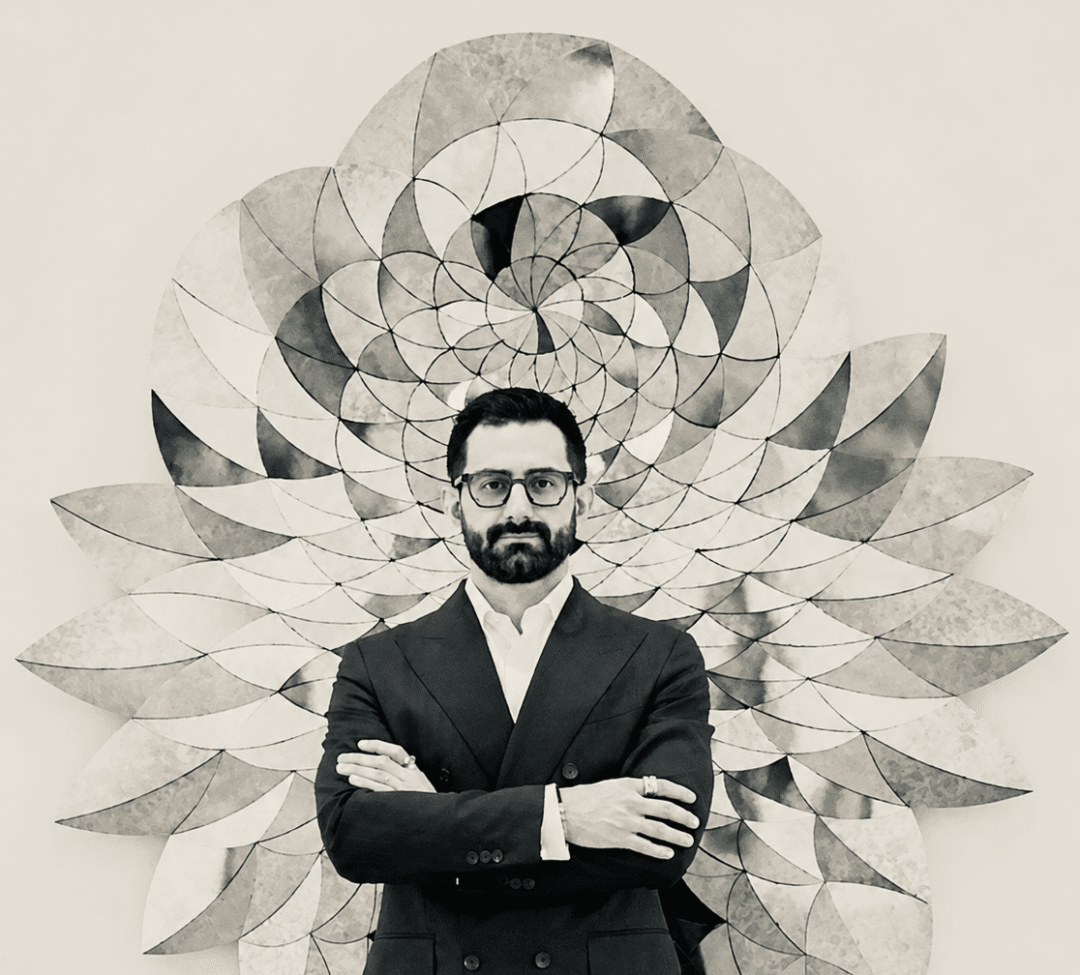
Why does Aref Montazeri, an Iranian sculptor whose art sells for over a million dollars, continue to make his towering works from shards of mirror glass in his studio in Tehran, amid window-shattering bomb blasts? He gently wraps his creations in shock-absorbing material, but why continue with such a fragile medium? In a Wall Street Journal article by Kelly Crow (May 2-3, 2026), he says, “Nothing, not even war, should prevent us from pursuing what we aim for.”
“Pagan” or Sublime?
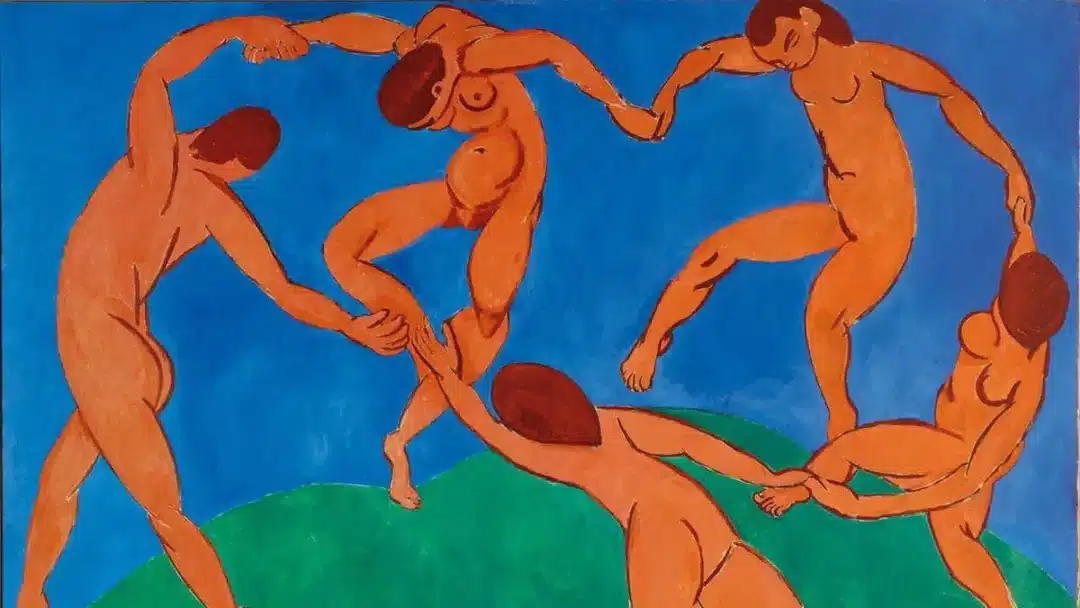
When the curtain rises on Brian Friel’s renowned play, “Dancing at Lughnasa,” Michael, a pleasant young man, addresses the audience as though he’s lying on an analyst’s couch: “When I cast my mind back to that summer of 1936, different kinds of memories offer themselves to me.” He was only seven, but the memories still make him “uneasy;” it was a time of “things changing too quickly.” These memories unfold for us on the stage.