
The Eloquence of Silent Dreams
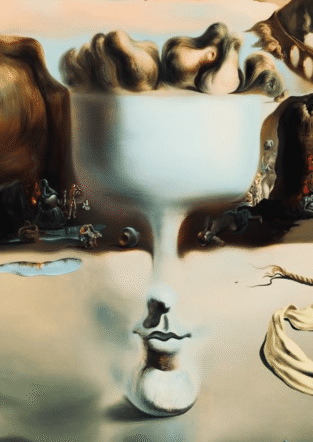
Although psychoanalysis is based on “putting it into words,” most dreams, Freud’s “royal road to the unconscious,” lack spoken words. Researchers believe such dreams are silent because they tap pre-verbal experience, enabling them to achieve a profound ambiguity. The specificity of words can narrow that potential…
WHY MAKE MIRROR ART IN WAR-TORN TEHRAN?
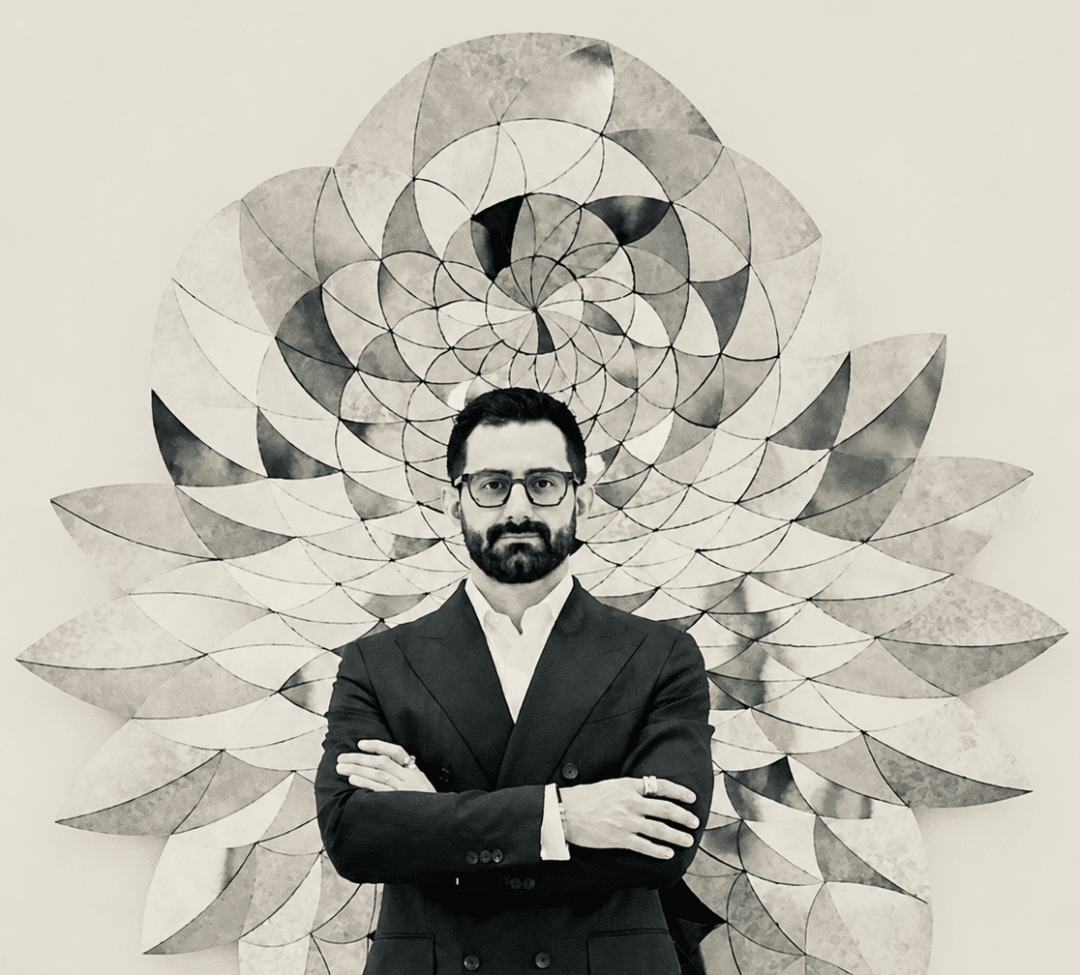
Why does Aref Montazeri, an Iranian sculptor whose art sells for over a million dollars, continue to make his towering works from shards of mirror glass in his studio in Tehran, amid window-shattering bomb blasts? He gently wraps his creations in shock-absorbing material, but why continue with such a fragile medium? In a Wall Street Journal article by Kelly Crow (May 2-3, 2026), he says, “Nothing, not even war, should prevent us from pursuing what we aim for.”
“Pagan” or Sublime?
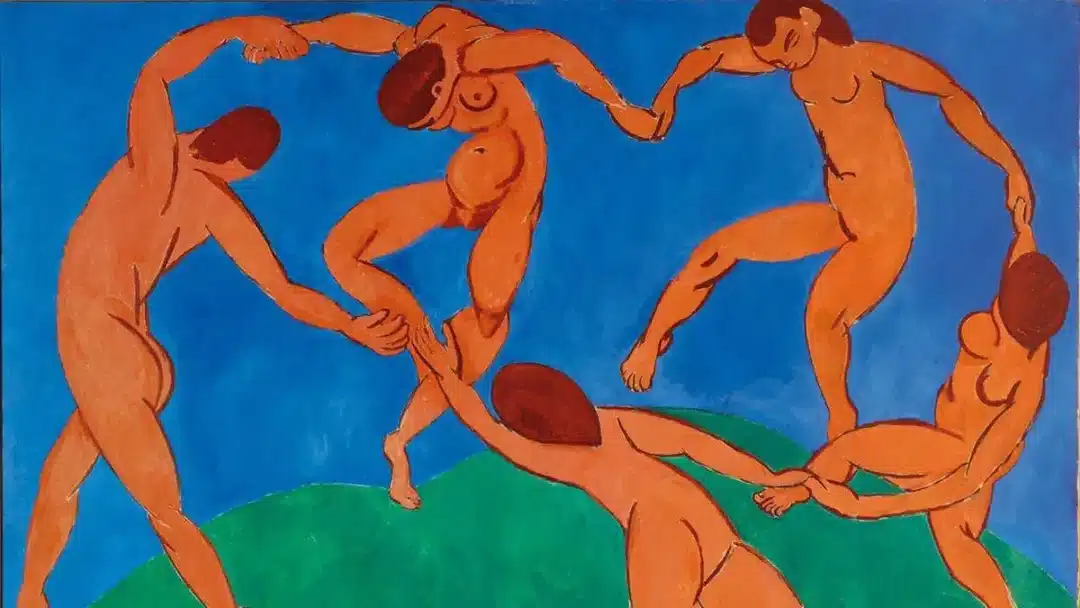
When the curtain rises on Brian Friel’s renowned play, “Dancing at Lughnasa,” Michael, a pleasant young man, addresses the audience as though he’s lying on an analyst’s couch: “When I cast my mind back to that summer of 1936, different kinds of memories offer themselves to me.” He was only seven, but the memories still make him “uneasy;” it was a time of “things changing too quickly.” These memories unfold for us on the stage.