PsychBytes

A publication of the Washington Baltimore Center for Psychoanalysis

Share This Post

Touch

Tarpley Long, MSW
Member, The Washington Center for Psychoanalysis
May 2017 | Volume 4 | Issue 5

Tell me you have never walked by a marble column, a bronze sculpture, a mahogany desk or a stone fountain and not had the urge to reach out to touch it. Where did this impulse originate? Probably at birth when we are received into loving hands. This early reciprocal pleasure in touch is ongoing in intimate relationships throughout our lives. We can also create this pleasurable sensation with inanimate objects in our environment such as a favorite coffee mug or Smart phone. We reach for door and cabinet hardware and kitchen and bath fixtures many times a day. If these are of a fine quality, we register pleasure, largely unconscious, interacting with them.

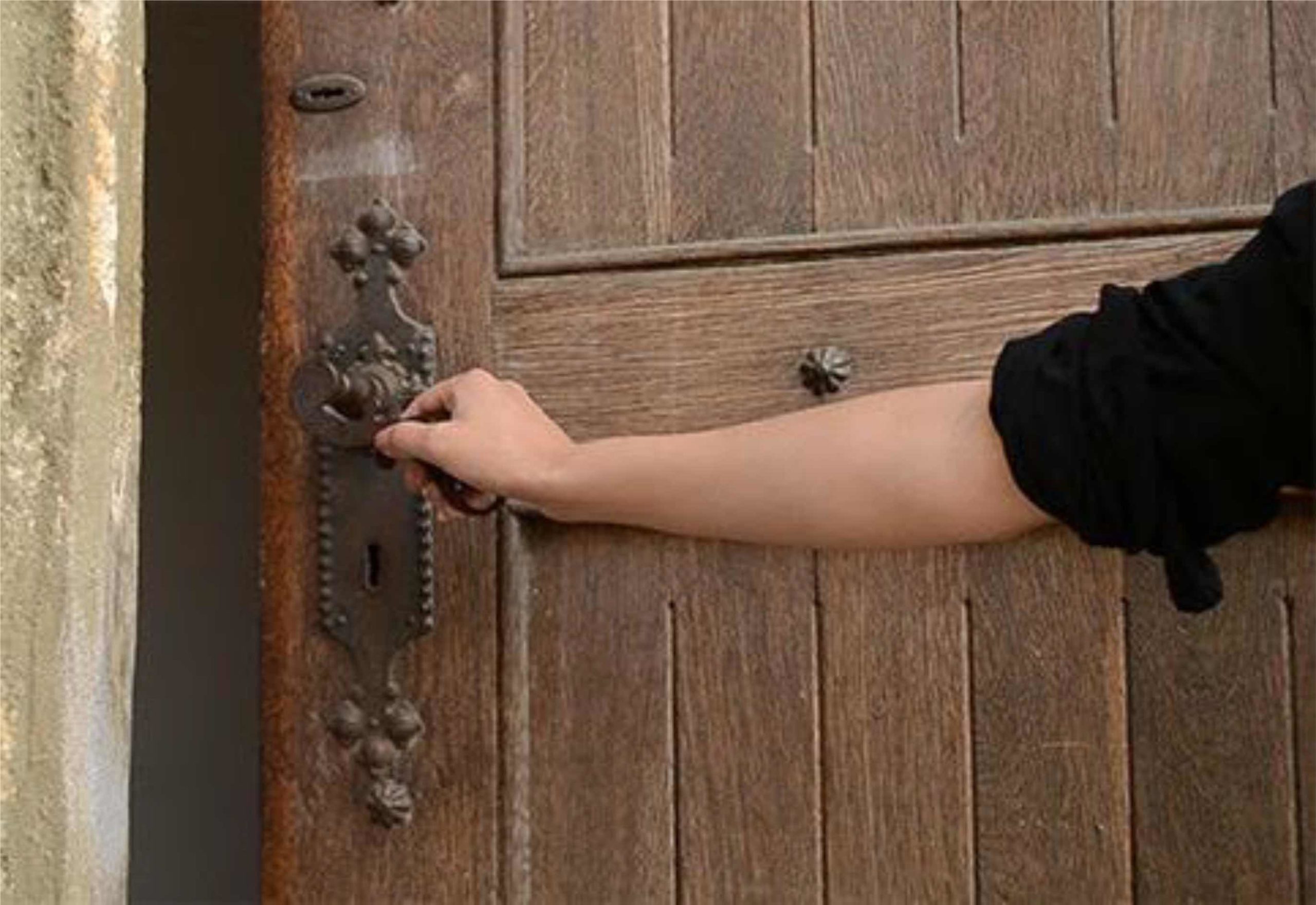
Over the past 20 years, I purchased five “fixer upper” but architecturally interesting houses and restored them. There are features of these homes I could point to as the reason they sold well was the surprise element of the sweet little screened porch or the chef’s atrium kitchen. My belief is that the buyers fell in love with these houses because of the investment I made in the hardware, starting with the front door handles. Whatever the design or material, if the door handles feel strong and conform to our grasp we will feel we are being brought into a place where we will be in good hands.

Little things mean a lot.

Explore more in PsychBytes

Shortcut

I live in the city and often walk to my preferred destinations. Sometimes my walks include shortcuts when going to familiar places. One common shortcut was an alley which contained rats.

While the rats were disturbing and seemingly everywhere, I continued using my shortcut.  At some point an intervention occurred – poison.  I began to experience the mixed blessing of dying rats instead of living rats.  While I hesitated to look at the dead and decaying rats, they were in my path and I couldn’t ignore them.  In time, the living rats disappeared. But at the end of my alley shortcut, “my inner rats” remained alive in the office of my psychoanalyst.

“Pagan” or Sublime?

When the curtain rises on Brian Friel’s renowned play, “Dancing at Lughnasa,” Michael, a pleasant young man, addresses the audience as though he’s lying on an analyst’s couch: “When I cast my mind back to that summer of 1936, different kinds of memories offer themselves to me.” He was only seven, but the memories still make him “uneasy;” it was a time of “things changing too quickly.” These memories unfold for us on the stage.

Content Edit Request

Content Edit Request

Please submit one request at a time.