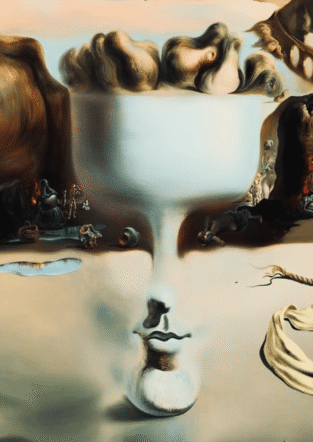
Thinking much about death these days? I mean your very own death, the one Sigmund Freud maintains we can’t really think about. Because, as he writes, we tend to “put death on one side, to eliminate it from life.” Because “at bottom no one believes in his own death.”
I do, however, and so do many people I know, all of us older or—let’s not mince words—just plain old.
Yes, denial remains a mighty defense against intimations of our own mortality, helping us hold anxiety at bay, and even allow the hope, as one wiseacre put it, that “maybe they’ll make an exception in my case.” And yet, as a subject for books, blogs, movies, television, newspapers and magazines, surely death has never been more popular. And as we learn more about hospice, assisted suicide, dementia provisions and such, we may start taking these matters very personally. We may start trying to figure out how we are going to live, knowing we’ll die.
We’re advised to write a will and to sign all those end-of-life documents. To finish our unfinished business while we can. To tell the people we love how much we love them. To pare the unessential’s from our lives.
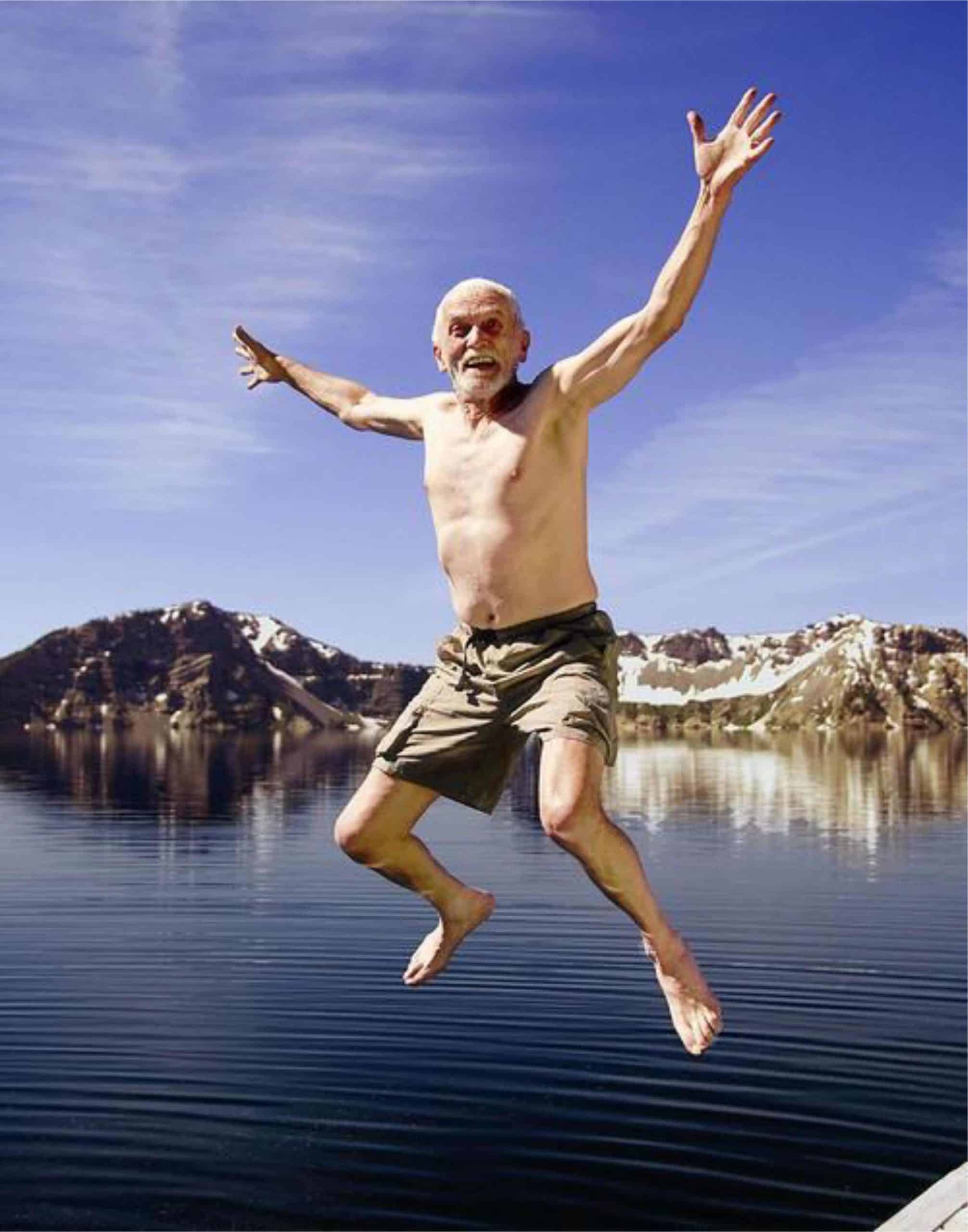
But we also need to keep living while we’re still living.
Which means when our bath towels are fraying, buy new ones. Get the kitchen painted if it looks dingy. Sign up for that lecture series a year away.
For though it’s important to live with the knowledge that we could die today, we can also live as if we will have tomorrows.