One aspect of Joachim Trier’s 2026, Academy Award-nominated film, Sentimental Value, lingers: the idea that a house can hold memory, and in doing so, remind people of who they are and who they have been. The family home in the film becomes a kind of unconscious structure, a repository for grief, history, and the versions of themselves they could not keep.
I have never had that kind of house.
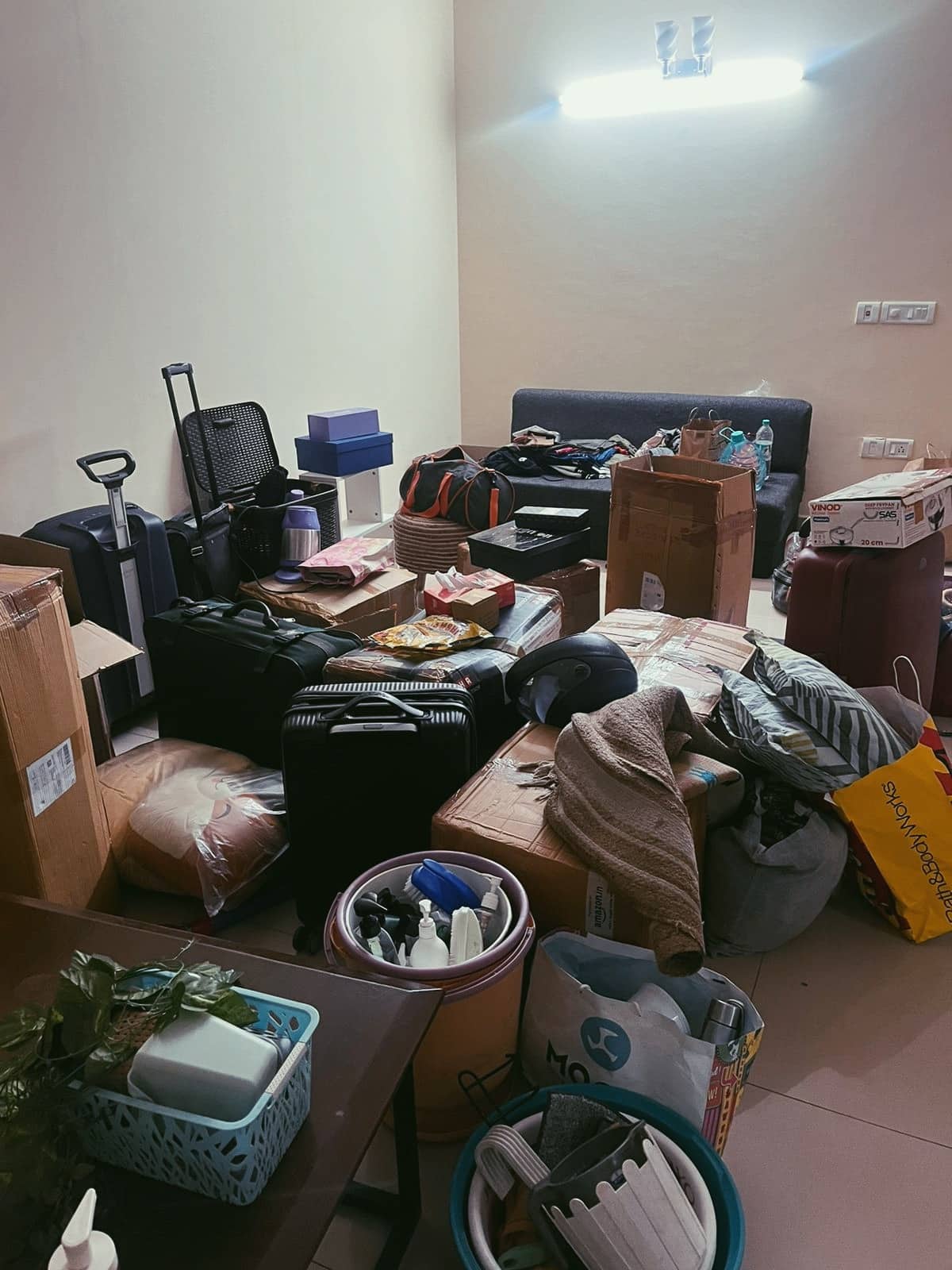
I have moved every two to four years for as long as I can remember. My life can be mapped through new cupboards and unfamiliar ceilings. I learned early how to fold myself into spaces never meant to hold me for long. Even now, some part of me is already preparing an exit.
Sometimes I long for rootedness in ways I do not quite let myself name. Not the weight the house in the film carries, just a warmer kind of familiarity, something that has witnessed the many versions of me and stayed anyway. I do not always let myself acknowledge that ache.
What I reach for instead is something like object constancy, the capacity to hold what is loved as continuous, even in its absence. The way a house holds the imprint of everyone who ever lived in it. I have tried to build that place inside myself, and it has kept me whole across many moves. But it is an internal act. It cannot always make anything outside me stay.
And if I am honest, it cannot make me stay either. I have moved houses; I have moved away from people, switched jobs in different cities, exiting quietly, in ways that feel familiar, as if it is practiced.
The house in Sentimental Value remembers, even when the people in it cannot. Something about that stays with me–the idea of being held somewhere outside myself… of returning, or of needing to believe I can.