Warrior two is a strong, balanced, yet flexible pose–a neutral stance, grounded to reality, allowing for grace.
I first need to root down but not be locked in. I must be able to straighten and bend. By imagining that I am pulling my feet toward each other, I enter the isometric, generating force while remaining still. Ideally, I become immovable in the face of distractions. With my arms I reach in both directions and encompass. I face forward but bend backward to be greeted by a heart-opening surprise.
Although by now I have done this pose hundreds of times, I always need to make some adjustment. Sometimes I am shaky. Sometimes I need to remind myself where I am in space. Almost always I need to relax and let go of unnecessary and unhelpful tension.
From warrior two, I can move into exalted warrior and orient toward the heavens or bow and assume humble warrior. I can pivot to warrior one and then into high and low lunges, possibly setting myself up to sprint if I wish to or need to. I can aspire to the graceful balance of warrior three.
I need to remind myself to breathe through it all.
After intensive experiences as a patient and parent of a patient, I have come to the realization that I can most impact the practice of medicine by the way I practice medicine day to day. By now, I have seen the ripple effects of my work with individuals; ultimately, it affects their families, their work, their communities, and their leadership.It can impact the trajectories of individual, family, and cultural histories. Flailing around wastes energy. Maintaining focus, rootedness in reality, and neutrality can lead to awareness, empathy, and–dare we hope–greater freedom to work and to love.
The Reality Principle
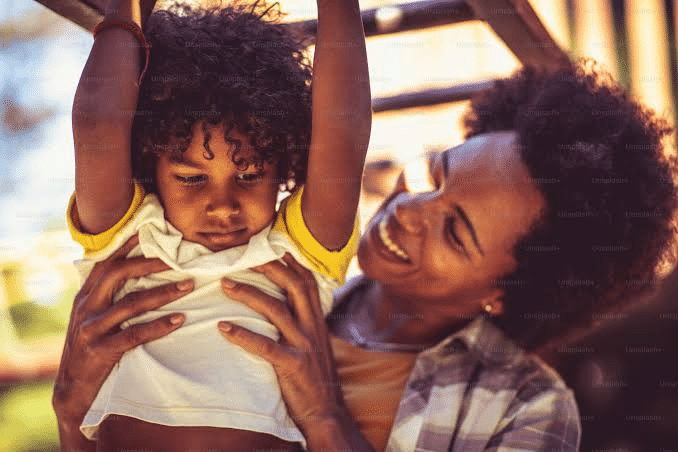
When I was in graduate school studying child development, a friend and I would go to a local playground and watch the adult caregivers and children. Inevitably, it would be time to go. Often enough, the child would want to stay: tough stuff! I imagine the following: the parent says, “We have to go so I can cook dinner before Mommy comes home.” And we all remember the child’s response, “But I don’t want to!” Dialogue is met with screaming, yet the crying protests fail. Then the horror: The larger person would pick up the smaller and carry it away. The smaller, we remember, might feel like “an it”, a thing, not an autonomous person. Our will, the child’s will, was met with what Sigmund Freud called the reality principle. Many of us adults today are equally frustrated by the reality principle as we are carried off to places we do not want to go. The world is taking many of us down a road…