
PsychBytes

A publication of the Washington Baltimore Center for Psychoanalysis

Share This Post

Shakespeare: The First Psychoanalytic Thinker?

Richard M. Waugaman, M.D.
Member, Washington Center for Psychoanalysis
November 2014 | Volume 1 | Issue 4

What can a psychoanalytic view of Shakespeare tell us? First, that Shakespeare can teach psychoanalytic therapists—and others—a great deal about people: about our deepest feelings; about our closest relationships; about our struggles to understand ourselves and others. Sigmund Freud loved the works of Shakespeare more than those of any other creative writer, and he learned much about the role that unconscious conflicts play in emotional suffering from his study of Shakespeare. Hamlet said the purpose of theater is “to hold a mirror up to nature.” Perhaps inspired by those words, Freud said the psychoanalyst should, “like a mirror,” show the patient what he or she sees in their clinical material.

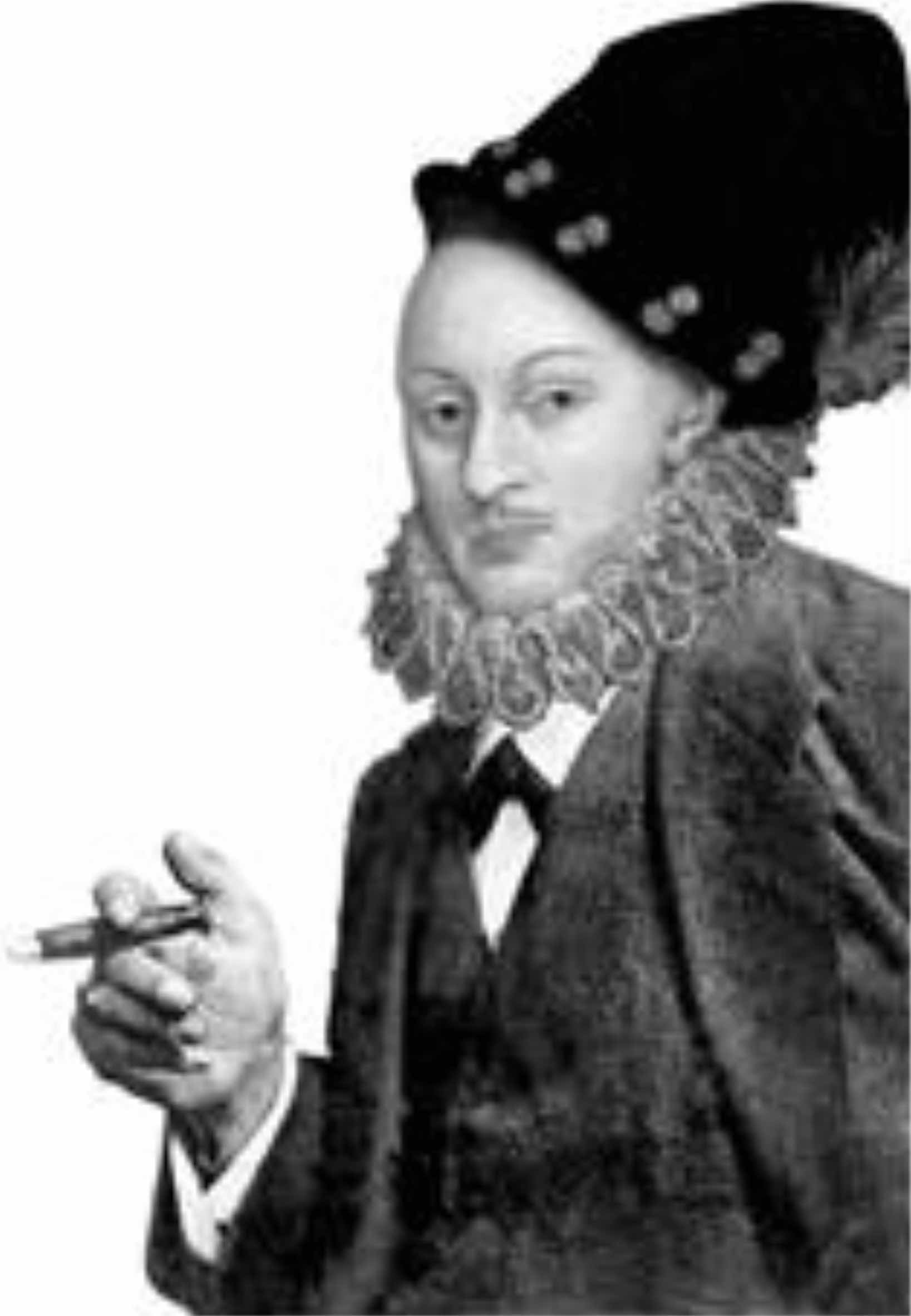
One topic has been largely neglected—Freud’s acceptance of a 1920 theory that “Shakespeare” was the pen name of Edward de Vere, Earl of Oxford (1550-1604). It was easy to dismiss that theory as fanciful, until it was discovered that de Vere’s Geneva Bible shows that his specific interest in Biblical passages mirrors that of “Shakespeare.” My research on that Bible, owned by the Folger Shakespeare Library, has revealed that it was a now little known translation of the Book of Psalms, bound at the end of de Vere’s Bible, that was the literary source for many plays and poems of Shakespeare.

Explore more in PsychBytes

The Reality Principle

When I was in graduate school studying child development, a friend and I would go to a local playground and watch the adult caregivers and children. Inevitably, it would be time to go. Often enough, the child would want to stay: tough stuff! I imagine the following: the parent says, “We have to go so I can cook dinner before Mommy comes home.” And we all remember the child’s response, “But I don’t want to!”  Dialogue is met with screaming, yet the crying protests fail. Then the horror: The larger person would pick up the smaller and carry it away. The smaller, we remember, might feel like “an it”, a thing, not an autonomous person. Our will, the child’s will, was met with what Sigmund Freud called the reality principle. Many of us adults today are equally frustrated by the reality principle as we are carried off to places we do not want to go. The world is taking many of us down a road…

The Eloquence of Silent Dreams

Although psychoanalysis is based on “putting it into words,” most dreams, Freud’s “royal road to the unconscious,” lack spoken words. Researchers believe such dreams are silent because they tap pre-verbal experience, enabling them to achieve a profound ambiguity. The specificity of words can narrow that potential…

Content Edit Request

Content Edit Request

Please submit one request at a time.