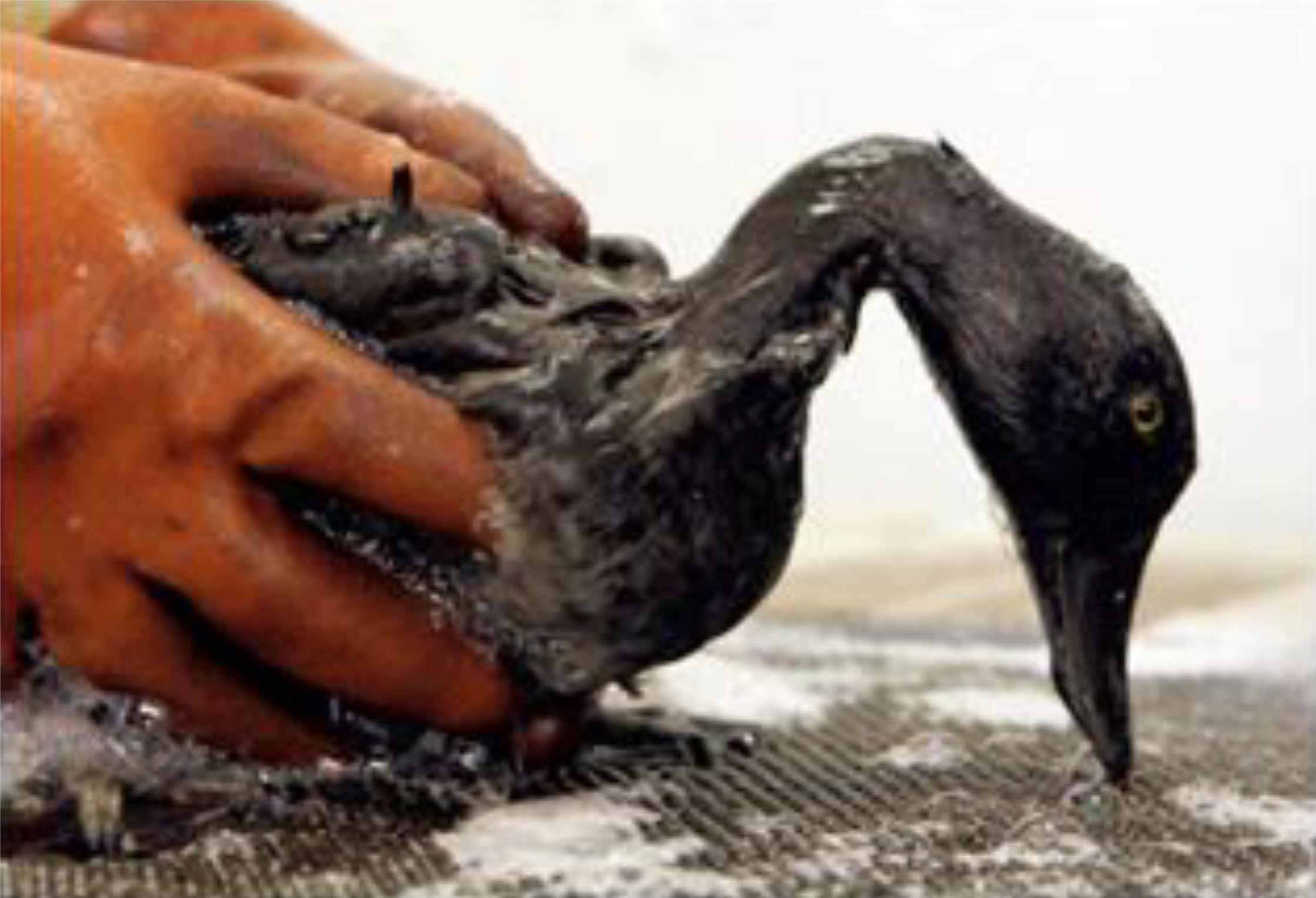
Why do so many people disregard the science of climate change? I suggest the disbelief borders on denial allowing us to avoid responsibility for the rape of Mother Earth, the destruction of that which gives us life and on which our lives depend.
The study of traumatized persons informs us of how overwhelming events can be managed. Trauma is denied, sequestered into parts of the mind and body that are inaccessible to reflection and recognition. This is how many are managing the fact that climate change is devastating our planet, forever changing the way we live, and even forcing us to question whether life as we know it will continue.
Any casual glance at headlines reveals the extent of the trauma. Oceans supplying food to billions of people are being depleted of stock, and acidified from absorbing excessive CO2. Our seacoasts and many of our islands are soon to be inundated. Extreme weather events are becoming increasingly frequent and more catastrophic. Scientists estimate that 30-50 % of currently existing species of plants and animals will be extinct by 2050.
Some deny this is happening or deny the extent of the damage. Some ridicule those who are frightened. Anything to avoid the recognizing the destruction around us- and the fact that it is us –you and I- who are raping and destroying Mother Earth. The current polarization in political life can be seen as our avoidance of the shatteringly depressing realization of our destructiveness. As defense against trauma on an individual level disrupts integration of experience, defense on the societal level disrupts our ability to find a common reality that can be shared and reflected upon. This allows us to continue living our lives, but at a tragic cost.