All of my life I have been a woman of faith. St. Francis De Sales says the purest form of prayer is the cry of the heart. My heart was broken and my faith was shaken when I gave birth to my third child. She did not cry like her older brothers. She didn’t quite hold her head up and as days went on, she was silent. She had trouble breast feeding and taking a bottle. At the early doctor’s appointments I was told not to worry, that she was just quiet and would eat when she is hungry.
At 15 months, the onset of normal speech, her silence was deafening. Silence for me had always been a place of comfort, discernment and creativity. Rachel’s silence filled me with fear. I took her to Children’s Hospital for her to be evaluated by the Speech and Language Unit. “Tell me I am neurotic, doctor, but don’t tell me something is wrong with my child,” I said. After a day long evaluation, the doctor looked at me and said, “ You are not neurotic. Your daughter may be mute.” I gasped. He went on, “Your daughter is severely apraxic, a birth trauma. The elasticity of the brain will hopefully respond to intense speech therapy.”
This crisis brought to the fore my relationship with my own mother. How was I to successfully mother my daughter when there remained unaddressed issues with my own mother? I did not want this prior relationship to get in the way of caring for my child. For this reason, I entered psychoanalysis which enabled me to dig deep into unconscious conflicts. I entered treatment with my faith; I emerged with a greater understanding of my emotional life, the power of love, and the mystery of faith.
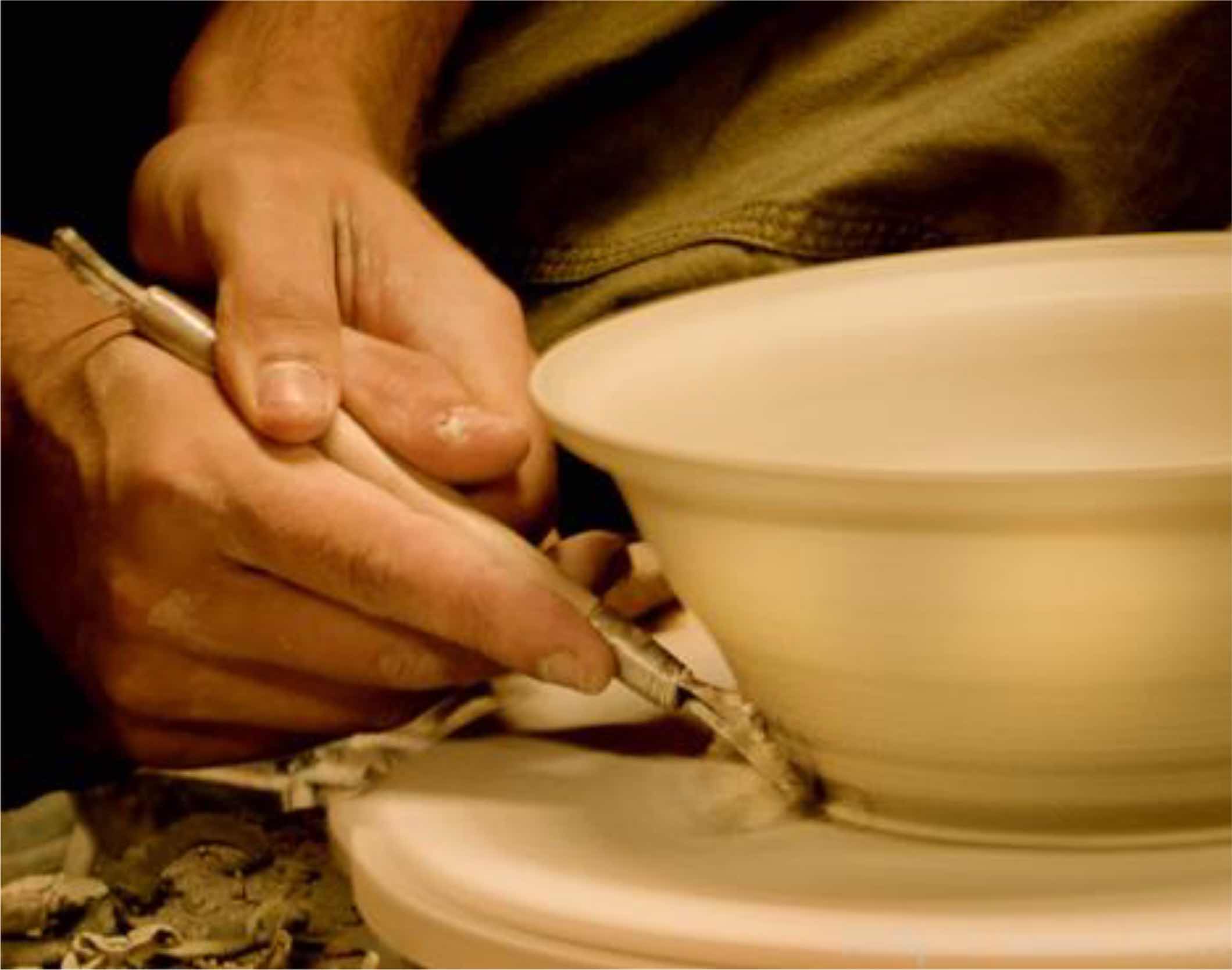
Rachel is expressive/receptive language impaired but she does communicate. She graduated from a small college with a degree in Art and works as a full time craft artisan making commissioned pottery for inns and restaurants. The underpinnings of her emotional life are healthy and she is a woman of faith.