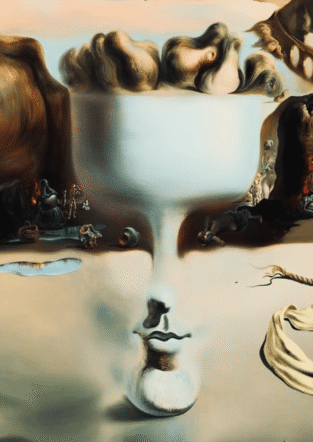
What do Van Gogh’s paintings, a can opener, the small pox vaccine, a smart phone, the salad you prepared recently and Beethoven’s 9th symphony have in common? Creativity is at the core, whether it is a breakthrough or an everyday leap. Creativity is the action of producing something new by adapting or transcending the existing. When we create we combine previously unrelated elements and we are able to hold opposites in mind at the same time and in the same space. This is sometimes called “thinking out of the box.” Sometimes ideas pop up suddenly and this feels joyful. Sometimes ideas remain latent in the back of our minds and we keep connecting our experiences, incubating, and one day, while we are taking a walk or during our shower, all becomes clear. When we create we feel alive, effective, productive, and useful and we can advance our work and enhance our lives and the lives of others. Creativity can be shared, eliciting new ideas in others exploding like fireworks or popcorn.
But there are moments when creativity seems dry and stagnant. There is a creative blockage. Contrary to common belief, anxiety, depression and other mental suffering, decrease our ability to create. Sometimes people are afraid to seek help because they fear that if they lose their demons they could lose their angels as well. However, receiving psychological treatment can actually restore creative ability. Psychoanalysis is by its nature a modality of treatment that organically targets the creative process. The person becomes able to know and explore desires and fantasies that were previously inaccessible. Creativity integrates dreamlike thinking with logical thinking and psychoanalysis enables us to work with both so that we become more able to love, work and create.