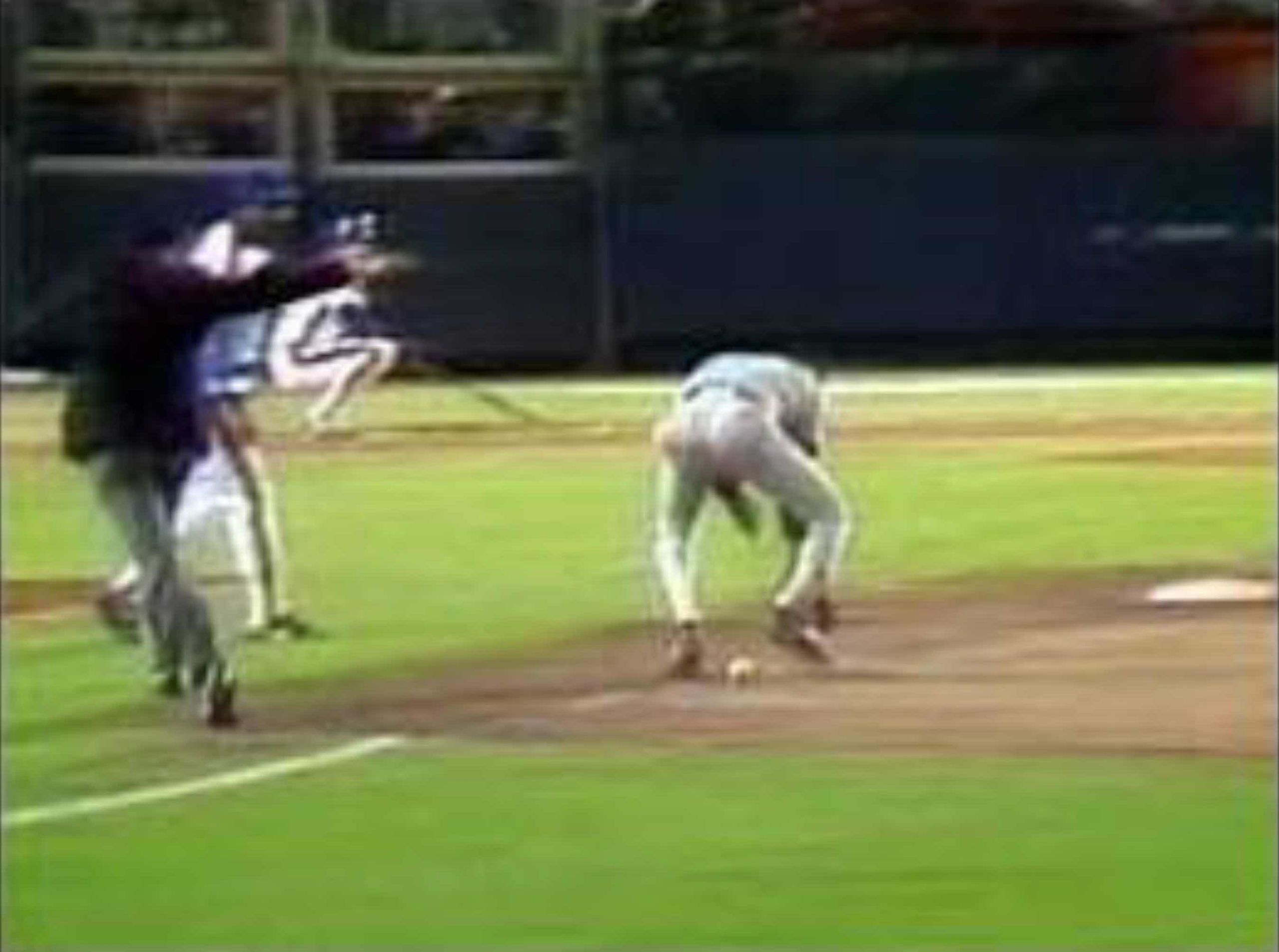
Being a serious sports fan is pretty addictive. My interest in the Red Sox began in my tenth summer. They needed to win just one of the season’s last two games to clinch the pennant, and they did what innocent me thought would be impossible – they lost both. Hurtle forward and in 1986 they were just about to win their first World Series since my now centenarian mother was a toddler, and I felt an acute sense of loss. This is sick. We Red Sox fans were bound together as tragic losers, and we were about to lose that connection. Like all romantic quests, without the quest romance dies. Then miraculously the ball dribbled through Bucky’s legs and order was restored. Buckner hadn’t been pulled for a defensive replacement (the usual late- inning procedure) because the manager was having a sentimental moment and wanted to honor his long service. Perfect. It’s like watching Hamlet for the umpteenth time and having a rooting interest in his winning the final duel. For years, these were the bookends of my addiction to the Tragedy of the Red Sox.
How to explain this fan’s obsession with losing? It reminds me of other addictions to hopeless causes – the unrequited lover who holds onto the belief that the diffident partner will at last come near, the employee who continues working for the unappreciative boss with the hope that recognition will one day be forthcoming, the abused child who moves through adult life longing for a parent’s apology. But here’s the thing. These profoundly perverse relationships are actually grounding, an extremely durable form of attachment, we might even say that they’re home. Love is evanescent, pathos is forever. Sports addictions are benign by comparison, and that may be part of their appeal, vicarious suffering, fateful connection without consequence.